Services

Services

PORTSTAR BD Services List

PORTSTAR BD Logistics Solution Company can offer, covering a wide range of supply chain and transportation needs

Shipping Agents

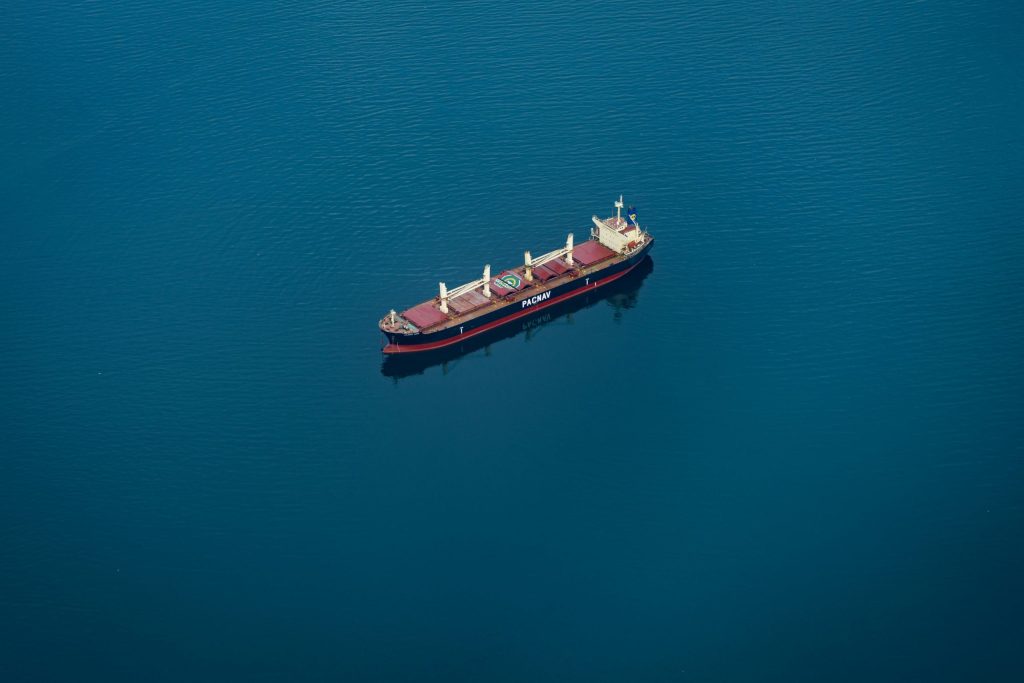
A shipping agent acts on behalf of a vessel or shipping company, handling operational and procedural requirements when a ship visits a port. They manage tasks such as port services, customs clearance, documentation, and cargo handling. Essentially, they facilitate the smooth entry and departure of ships and their cargo.

Ship Catering & Brokering

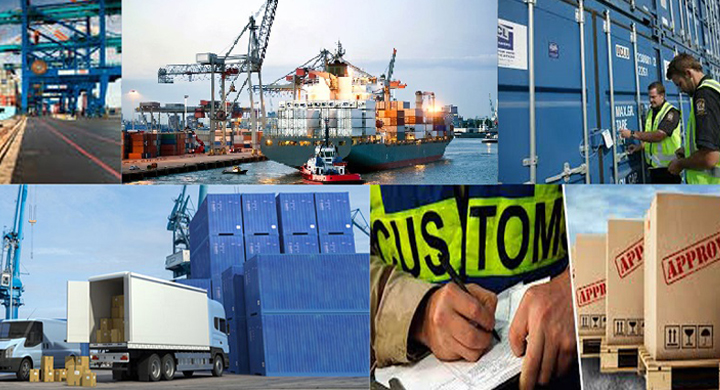
Customs clearance and brokerage involve the legal process of moving goods across international borders, ensuring compliance with all relevant customs regulations.

Inventory Management

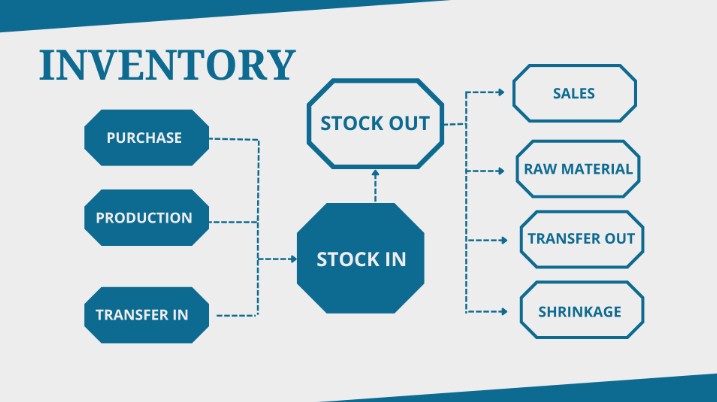
A shipping agent acts on behalf of a vessel or shipping company, handling operational and procedural requirements when a ship visits a port. They manage tasks such as port services, customs clearance, documentation, and cargo handling. Essentially, they facilitate the smooth entry and departure of ships and their cargo.

Marine Insurance Assistance

Customs clearance and brokerage involve the legal process of moving goods across international borders, ensuring compliance with all relevant customs regulations.

Freight Forwarding (Air & Sea)

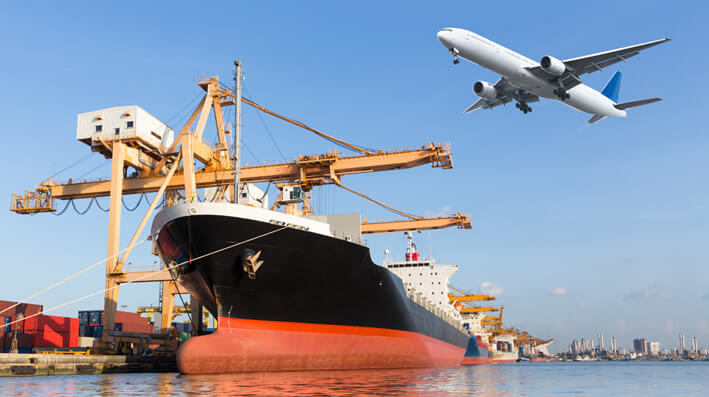
Freight forwarding involves the organization and management of shipments by air or sea, acting as a middleman between shippers and transportation providers

Customs Clearance & Brokerage

Customs clearance and brokerage involve the legal process of moving goods across international borders, ensuring compliance with all relevant customs regulations.

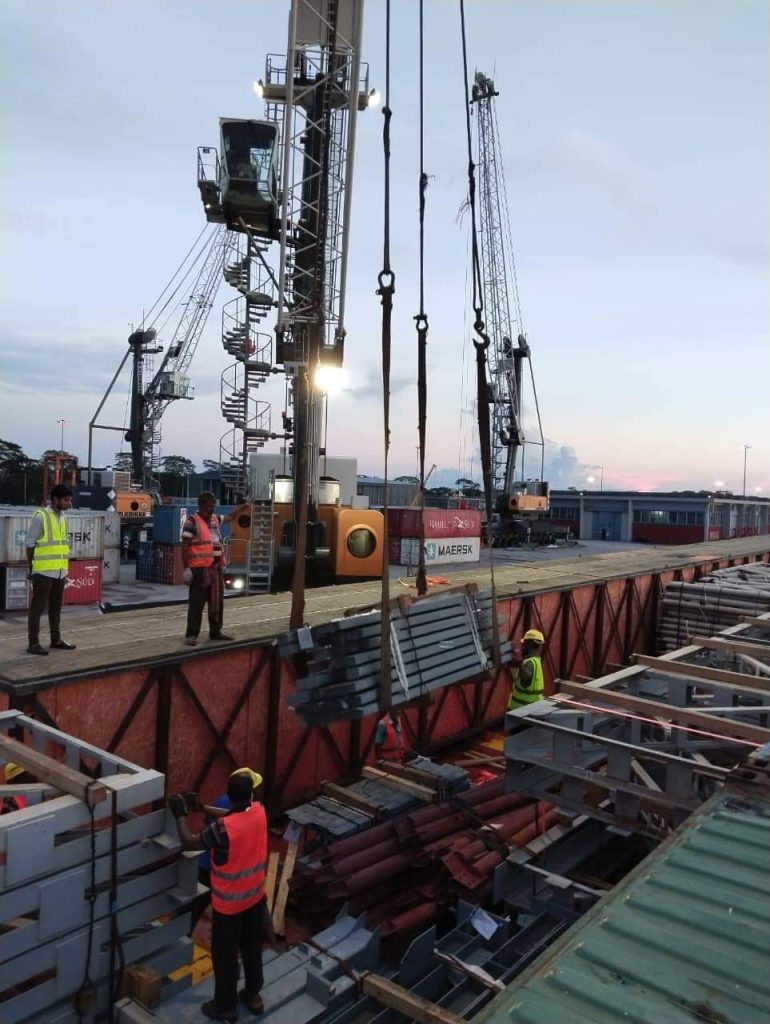
Port Handling & Stevedoring

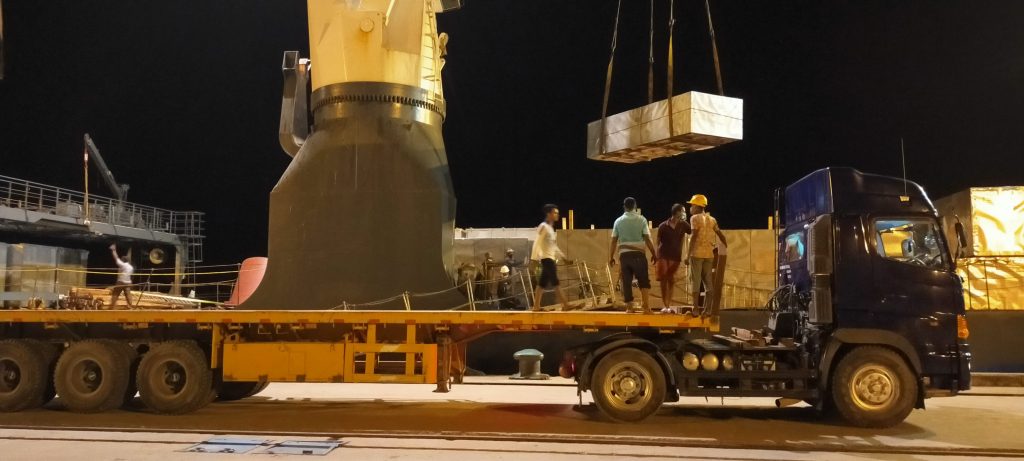
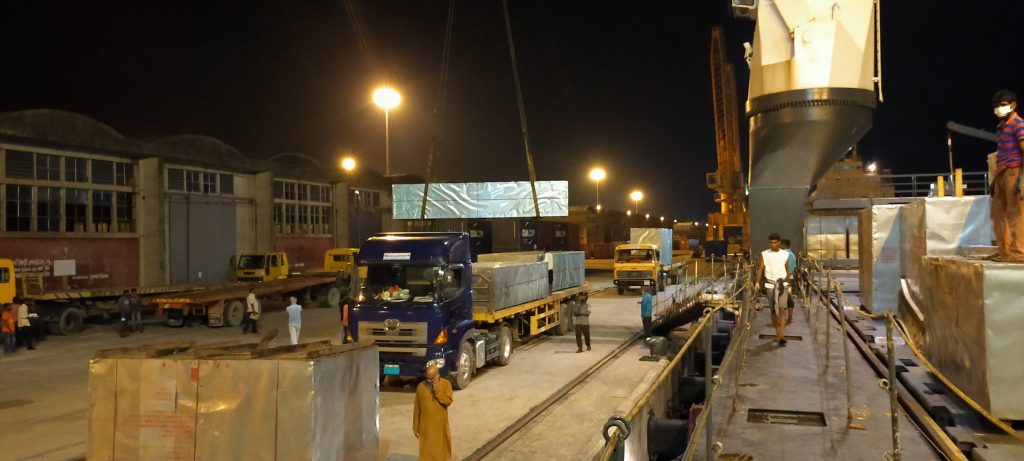
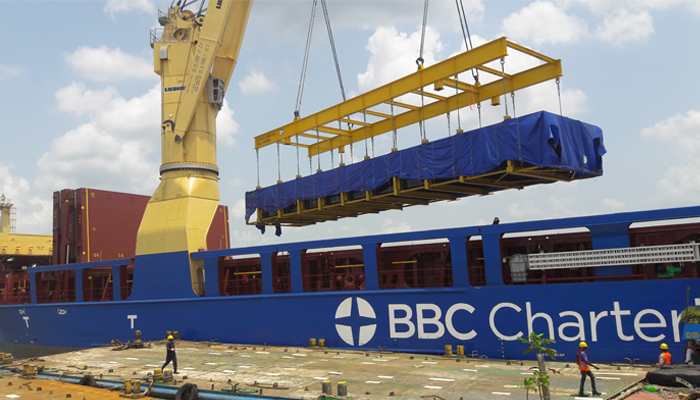
Port Handling and Stevedoring refer to the processes of loading and unloading cargo onto and from ships at a port. Stevedoring specifically involves the handling of cargo, including bulk, general, and containerized goods, often using specialized equipment.

Transshipment Services

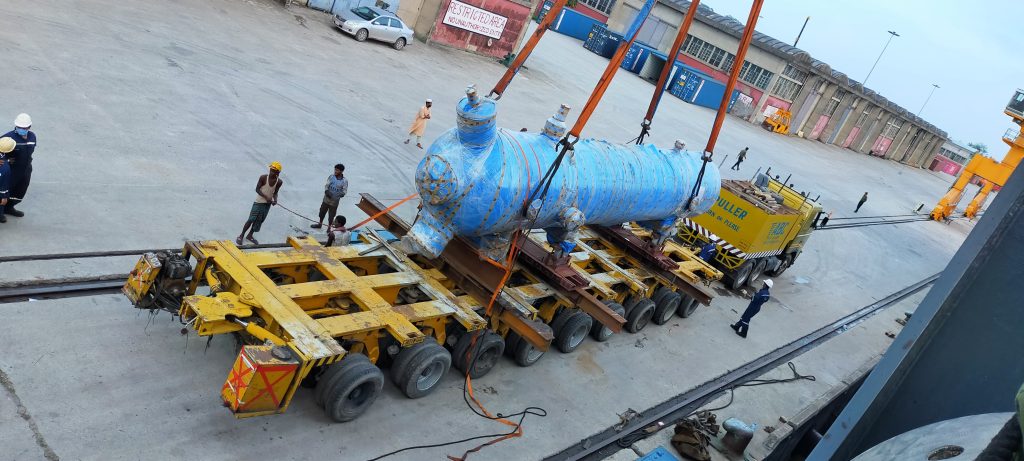
Transshipment, in logistics and shipping, refers to the process of transferring goods from one mode of transportation to another during their journey from origin to destination. This often involves moving cargo between different types of transport, like ships, trucks, or trains, at a designated hub or port.

Inland Transportation (Truck, Van, Rail)

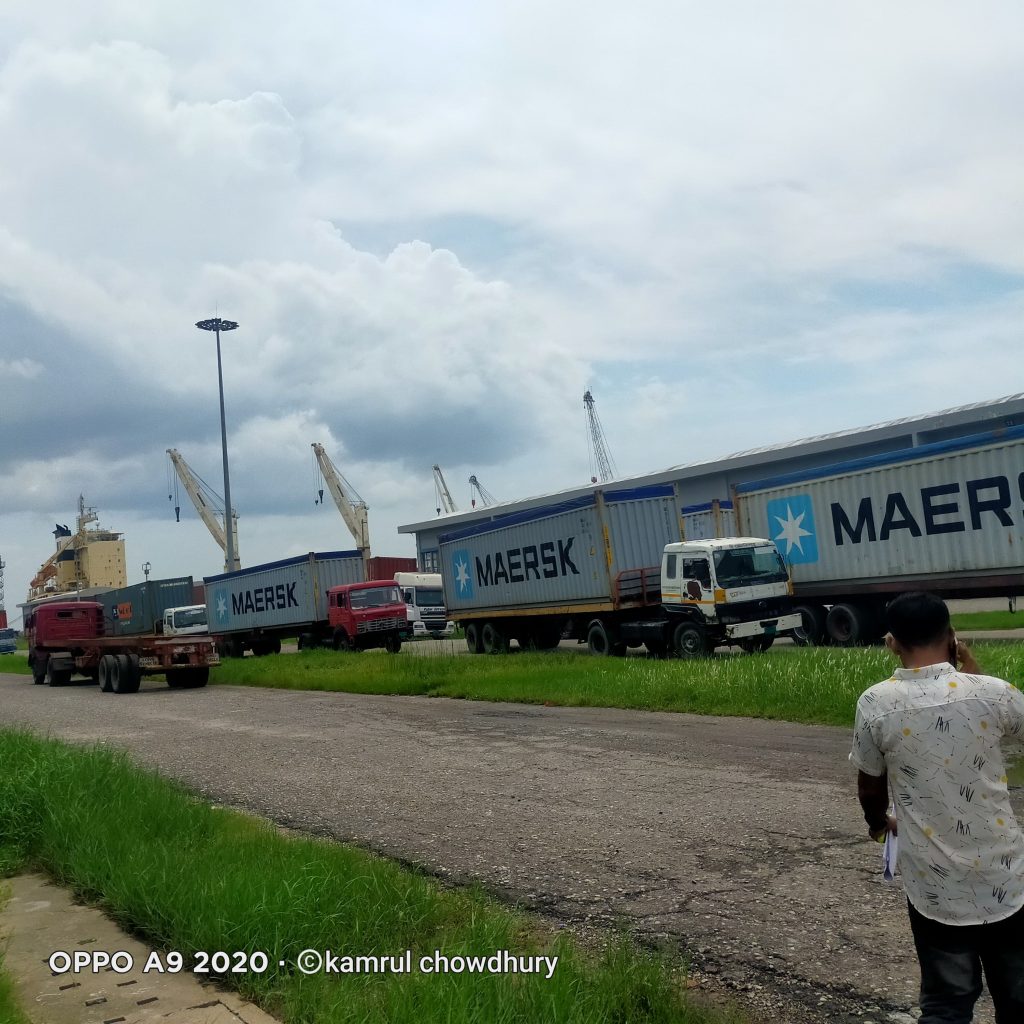
Inland transportation encompasses all forms of freight and passenger movement within a country, excluding air and sea transport. It primarily involves road, rail, and inland waterways, and may also include pipelines for goods. This type of transportation is crucial for connecting ports with inland facilities like warehouses and distribution centers, facilitating the movement of goods from their origin to their final destination.

Cold Courier Logistics

Cold chain logistics refers to the specialized supply chain management required for temperature-sensitive products, ensuring they remain within specific temperature ranges from production to consumption. This involves careful handling, storage, and transportation using temperature-controlled equipment and processes.

ISO TANKS

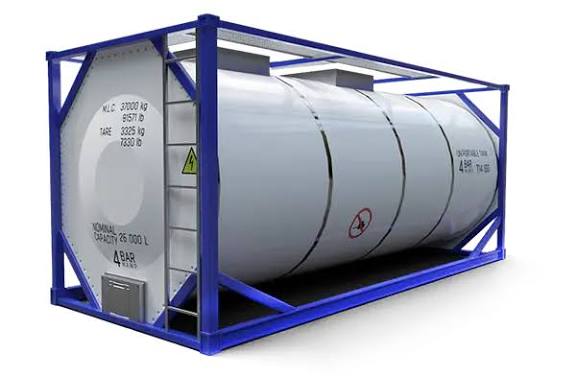
Key Aspects of ISO Tank Forwarding: Specialization: Handles sensitive liquids like chemicals, oils, food products, gases, and pharmaceuticals, ensuring cargo integrity. Intermodal Capability: Tanks are designed to move seamlessly between ships, trains, and trucks

Container Shipping (FCL/LCL)

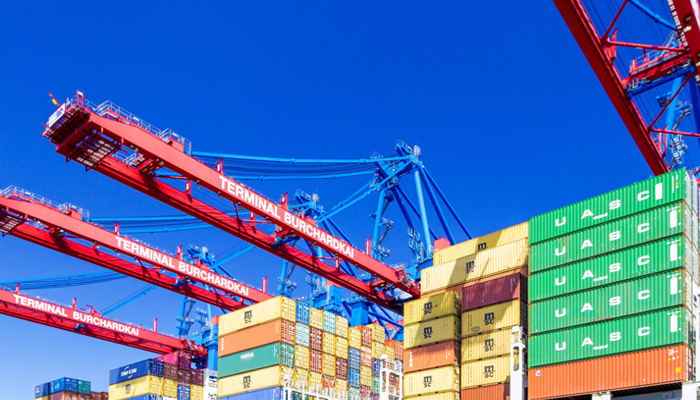
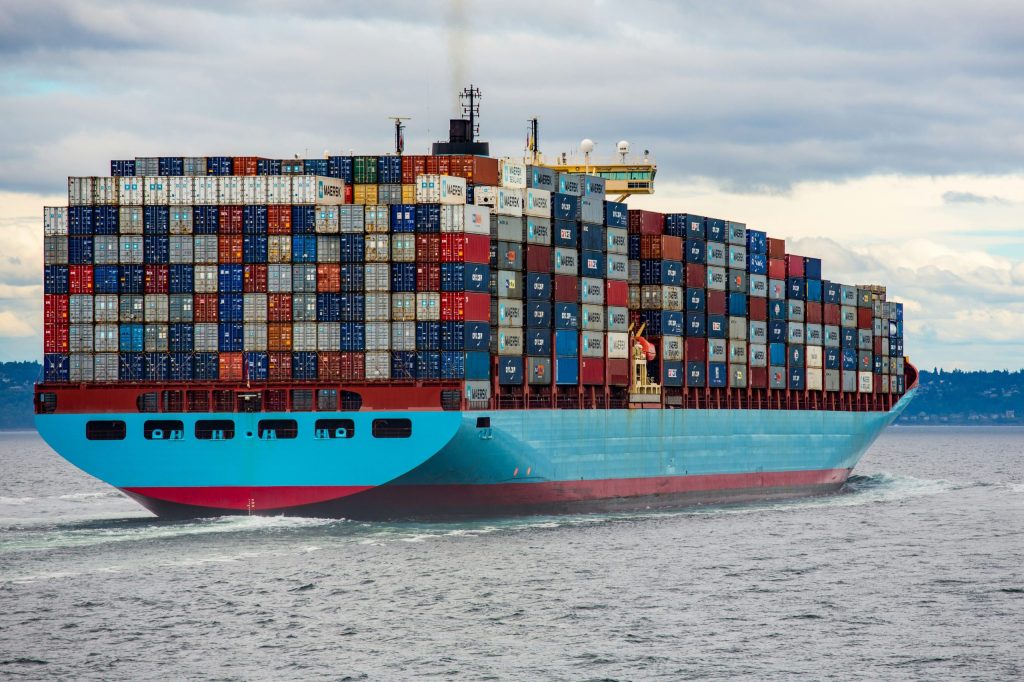
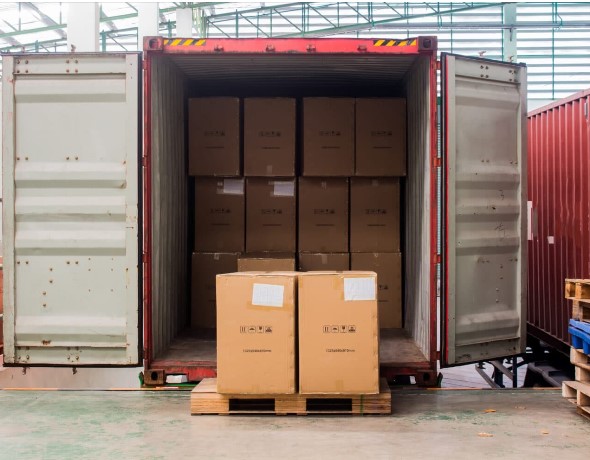
In container shipping, Full Container Load (FCL) and Less than Container Load (LCL) are two primary methods. FCL means a single shipper uses the entire container, while LCL involves multiple shippers sharing container space. The best choice depends on factors like shipment volume, urgency, and cost considerations.

Warehousing & Storage

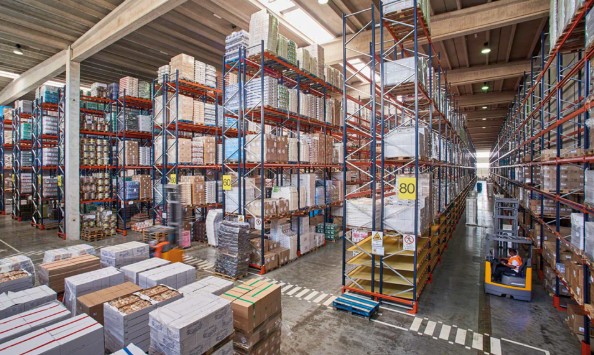
Warehousing and storage, while often used interchangeably, represent distinct concepts in logistics and supply chain management. Storage is a more general term for simply keeping goods, while warehousing encompasses a broader range of activities, including inventory management, order fulfillment, and other logistical operations

Express Courier Service

“Express or Courier Service” – “means the integrated services for the collection, transmission and delivery of a letter, an envelope, a small packet, a package, a parcel, a wrapper, a container or goods that can be collected, transmitted and delivered in an expedited manner with premium features such as security, .

Cargo Consolidation

Cargo consolidation is a logistics strategy where multiple smaller shipments from different shippers are combined into a single, larger shipment (often a full container) for transport. This process is particularly useful for businesses that don't have enough cargo to fill an entire container, allowing them to share costs and potentially reduce overall shipping expenses.

*Third-Party Logistics (3PL)

Warehousing and storage, while often used interchangeably, represent distinct concepts in logistics and supply chain management. Storage is a more general term for simply keeping goods, while warehousing encompasses a broader range of activities, including inventory management, order fulfillment, and other logistical operations.

Reverse Logistics

Cargo consolidation is a logistics strategy where multiple smaller shipments from different shippers are combined into a single, larger shipment (often a full container) for transport. This process is particularly useful for businesses that don't have enough cargo to fill an entire container, allowing them to share costs and potentially reduce overall shipping expenses.

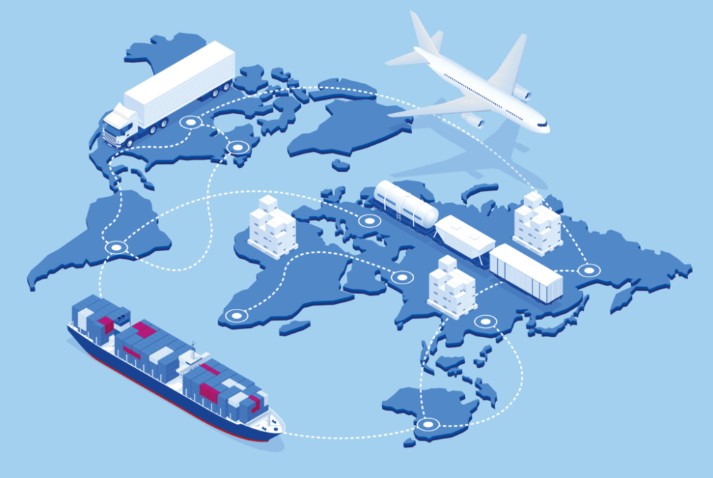
Multimodal Transportation Solutions

Warehousing and storage, while often used interchangeably, represent distinct concepts in logistics and supply chain management. Storage is a more general term for simply keeping goods, while warehousing encompasses a broader range of activities, including inventory management, order fulfillment, and other logistical operations.

Reverse Logistics

Cargo consolidation is a logistics strategy where multiple smaller shipments from different shippers are combined into a single, larger shipment (often a full container) for transport. This process is particularly useful for businesses that don't have enough cargo to fill an entire container, allowing them to share costs and potentially reduce overall shipping expenses.

Supply Chain Optimization

Warehousing and storage, while often used interchangeably, represent distinct concepts in logistics and supply chain management. Storage is a more general term for simply keeping goods, while warehousing encompasses a broader range of activities, including inventory management, order fulfillment, and other logistical operations.

Customs Consultancy & Regulatory Compliance

Cargo consolidation is a logistics strategy where multiple smaller shipments from different shippers are combined into a single, larger shipment (often a full container) for transport. This process is particularly useful for businesses that don't have enough cargo to fill an entire container, allowing them to share costs and potentially reduce overall shipping expenses.

Dangerous Goods Handling

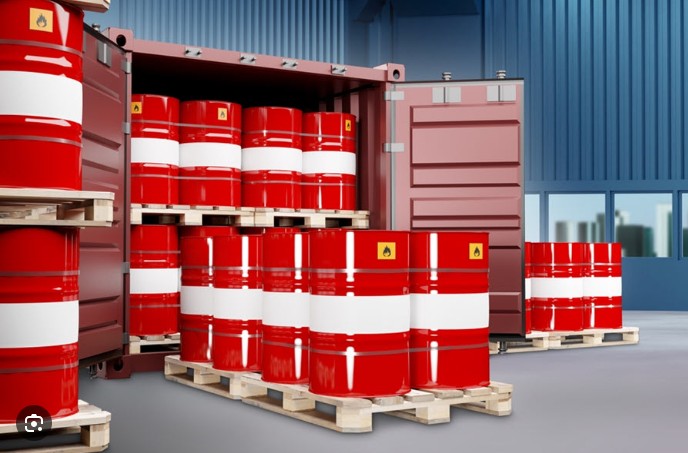
Dangerous Goods Handling Procedures Extra precautions for handling of large packages. Dispensing away from incompatible substances. Wearing and maintaining suitable personal protective equipment. Properly reading and understanding the chemical's Safety Data Sheet (SDS)

Marine Survey

A marine survey is a professional inspection of a vessel (boat, yacht, or commercial ship) or its cargo to assess its condition, seaworthiness, value, and compliance with standards, providing detailed reports for buyers, owners, insurers, or for damage/cargo claims. Conducted by impartial marine surveyors, these surveys cover structure, machinery, and equipment, helping to ensure safety, manage risks, and facilitate financial transactions like insurance or sales

Door-to-Door Delivery

Cargo consolidation is a logistics strategy where multiple smaller shipments from different shippers are combined into a single, larger shipment (often a full container) for transport. This process is particularly useful for businesses that don't have enough cargo to fill an entire container, allowing them to share costs and potentially reduce overall shipping expenses.